.webp)
Construction Chemicals
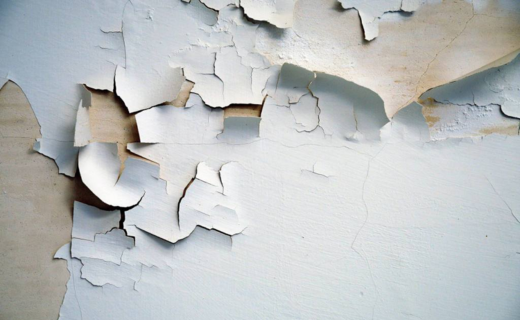
One common issue that homeowners and building managers come across is the paint on the walls and ceilings that is peeling. At first, it might look like something purely aesthetic, yet in the long run, the peeling off of the paint may actually entail heavy damage lying beneath the surface. There are many possible reasons for the cracking, blistering, or flaking of the paint including improper painting process, and the environment in which the paint was applied. These are all the triggers that would result in the paint lifting off the wall. The most important step in curbing both prevention and effective repairs is identifying the causes of paint peeling. Early problem solving can be the key to save time, money, and the unnecessary repetition of the work. Let us discuss in detail the most common reasons why the paint peels off and how to be sure that your new paint job will be good for a long time.
In order to get a perfect paint finish, you must start by properly preparing the surface. One of the most frequent causes of paint peeling is not cleaning, sanding, and priming walls before applying a new coat. Paint adheres best to a surface that is sleek, dry, and without any dust, grease, or other dirty particles. paint that is painted on over a surface with dirt, oils, or chalky residues, the paint layer could possibly start to detach over time and peel. The worst thing of all is that it is not easily detectable, as it is mostly the dirtiest places and site that are exposed to constant hand contact that will give you the clue of the problem. Other surface issues like the remaining wallpaper paste, mold, or efflorescence (salt deposits on cement walls) also deteriorate the bond. In order to prevent all this cleaning the surfaces, repairing the damaged areas, and then applying a suitable primer to the surface material is the way to go. Following this step is an insurance for the paint to last long and to bond well.
Humidity is one of the leading causes of detrimental effects on both the inside and outside paint. Water penetration through defects and different places such as roofing leaks, faulty plumbing, or being in a room with a high level of humidity can cause the paint to rise and bubble. When the paint is infiltered with the moisture, the bond is destroyed between the wall and the coating. Thus the paint can easily peel off walls and at the same time, it lets the growth of mold and mildew, which will destroy the surface even more. The areas such as the kitchens, bathrooms, basements, and the exterior walls are the ones that are most affected.
The signs, which are usually masked in such a situation, are usually the dampness of walls that happen to be from a new scent or smudge of mold visible. From these examples, an individual can tell that there is some moisture problem that needs tackling. The only thing you should do under such circumstances is to treat all the leaks and cracks, establish the clear drainage system and use waterproof primers as well as paints. The use of waterproof materials before painting will be more beneficial in areas with more rains and poor air circulation. The best result will come when the paint is adhered to the surface and the control of the moisture issue is maintained.
Largely, it is manageable to handle your paint till it is worn out. However, heavy stress from the environment or inferior paint might lead to a paint failure. The biggest issue is that a heavy downpour and the effect of sunlight might lead to peeling and degradation of the paint. If you are not using a high-quality product, repainting often is always the only option after it has faded away once. You will need to look up the right paint for you which should be determined by the weather conditions, light resistance, surface preparation, and durability. As a piece of advice from the manufacturers, you will be told when it is the right time to apply the primer, the number of required layers, and also the compatibility of the primer with the product.
Among the predominant reasons why people are facing the bad performance of the paint is that they have bought a brand of paint that is not fit or is of lower quality. If you on top of the oil-based paint put a water-based paint without surface pre-treatment, the covering may not dry thoroughly within a matter of weeks and start flaking. Correspondingly, the paints that are of low quality and lack strong binders and UV protection do not get affected when environmental stressors like heat, humidity, or dirt are involved. These products often have poor pigment retention and may fade, crack or chalk over time. If you think it is a budget-friendly solution, then you are mistaken. In many cases, budget paints constantly require being painted since they lose the first look they had which costs you much more in the end. It is advisable to pick paints that would well serve the surface type and the weather conditions.Excellent outcomes and a surface with a splendid finish could be achieved by using high-grade paints that are resistant to the effects of harsh weather, have good adhesion, and are durable. Furthermore, pay attention to labeling, production, application, drying, and many more as the manufacturer suggests to get the best of your product.
To effectively deal with paint peeling, it's important to weigh both proactive and reactive approaches. Each method has its own set of actions, depending on whether you're preventing the issue or fixing it after it occurs.
The table below highlights the key differences between prevention (before peeling) and fixing ( after peeling) to help guide your next steps.
Acquiring the proper paint is of utmost significance—not only for the look, but also for the longevity of the surface. No matter how perfect the surface is prepared, the paint is properly applied, and the weather is ideal, the use of a product that is not of high quality will inevitably result in the peeling of the paint and the wasted effort. First of all, before you choose the paint, you have to understand the environment of the place you want to apply the paint on: is it indoor or outdoor? Is it humid or dry? The interiors of a house, particularly those in kitchens and bathrooms, need to be given a coat of water-resistant, mold-resistant paint, while the exteriors of a house have to be coated with UV-resistant, flexible paints, which can in addition to that be the elastic type or the polyurethane type that the temperature of different seasons cant have an effect on. Also, choosing a vapor-permeable paint that allows inside moisture to escape, while outside water is blocked, is very important as well. For outdoor walls, those that possess elastomeric properties are the most suitable, as they can expand and contract along with temperature changes, thus preventing any cracks and guaranteeing a seamless finish throughout.
At 20MCC, we suggest that going a notch higher with high-quality paints is not enough—pairing them with a strong waterproofing system to avoid moisture penetration and to prolong the life of the applied paint is the most effective method. Our waterproofing solutions—Tigersil,Nanosil, Micronsil30C, Rainbowsil, and more—have been exclusively developed to perfectly work with premium paints so that top performance is achieved. It is through these plants that the surfaces are not only free from water and moisture, but also that their adhesion and finishing quality are greatly improved. The main thing to remember is that without the color primer, the final paint, and the waterproofing, the whole process will be full of errors. To make the paint last longer, select the correct primer for the irregular or porous surfaces and water-repellent coatings that will hence be able to create a protective covering, thus not allowing peeling to happen in the near future.


